







Why Are Regular Check-Ups Important for Women's Health?
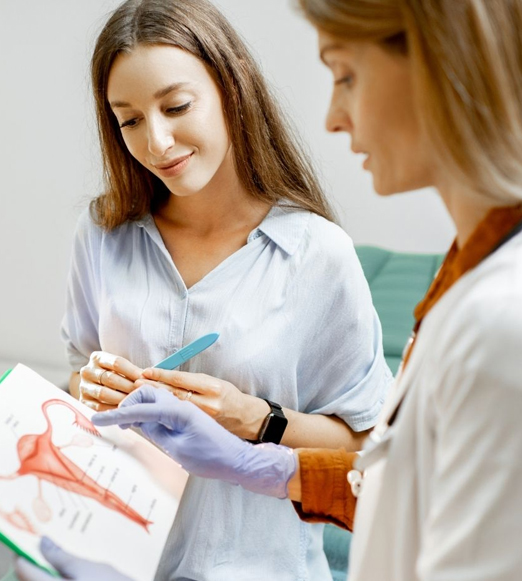
Women's health is an important area of healthcare that requires regular monitoring according to changing needs at different stages of life. From adolescence and the reproductive years to pregnancy, menopause, and beyond, regular health check-ups can help identify potential health problems at an early stage and ensure that appropriate measures are taken in a timely manner. During routine gynecological examinations, concerns such as menstrual irregularities, heavy or abnormal bleeding, vaginal discharge, pelvic pain, and hormonal changes can be evaluated. Depending on age and individual risk factors, tests such as Pap smears, HPV screening, ultrasonography, and other necessary examinations may be recommended. These evaluations can contribute to the early detection of certain conditions affecting the cervix, uterus, and ovaries. For women planning a pregnancy, preconception evaluation is important for managing existing health conditions and making the necessary preparations for a healthy pregnancy. During pregnancy, regular monitoring of both maternal and fetal health is also essential. Regular check-ups remain important during menopause. Bone health, hormonal changes, and age-related health risks can be assessed, with personalized recommendations provided when appropriate. Regular women's health check-ups are important not only for the diagnosis of diseases but also for supporting healthy living and improving quality of life. Every woman is encouraged to establish an appropriate health monitoring schedule with an obstetrics and gynecology specialist, based on her age, medical history, and individual risk factors.