






Reliable Information and Expert Insights on Women's Health
Gynecology
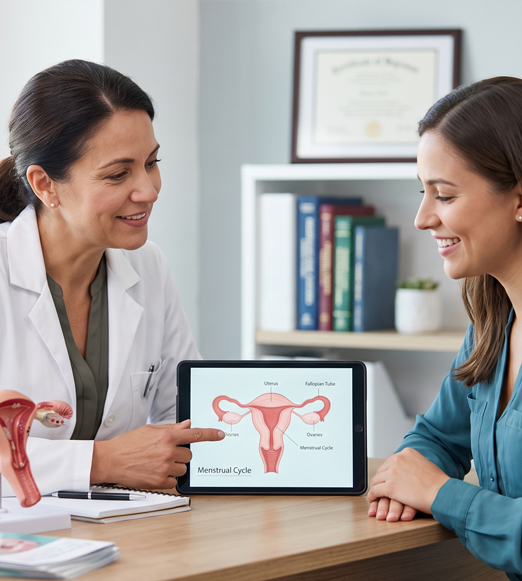
We address women's health concerns that may arise at different stages of life, providing expert insights and clear, accessible information.
Read More
Pregnancy & Childbirth
Learn about maternal and baby health, pregnancy follow-up, and the childbirth process, from preconception through the postpartum period.
Read More
Gynecology
Access reliable information about gynecological examinations, menstrual irregularities, infections, and common women's health concerns.
Read More
HPV & Cervical Health
Access up-to-date and easy-to-understand information about HPV, HPV and Pap smear tests, cervical cancer screening, and prevention methods.
Read More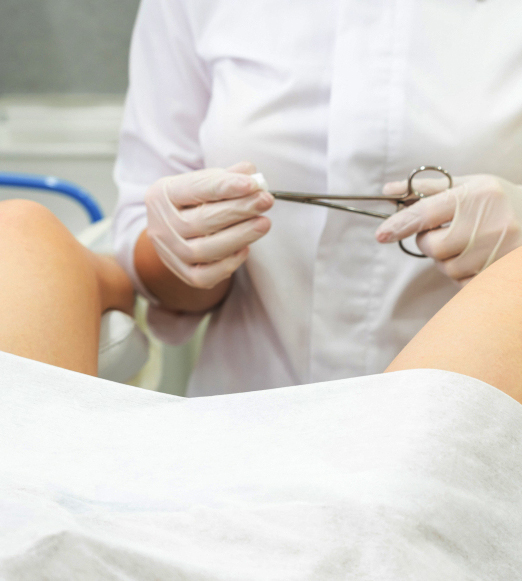
How Often Should Women Have a Gynecological Examination?
Regular gynecological check-ups can help maintain your health and identify potential problems at an early stage. The frequency of examinations may vary depending on your age, medical history, and individual risk factors.
Read More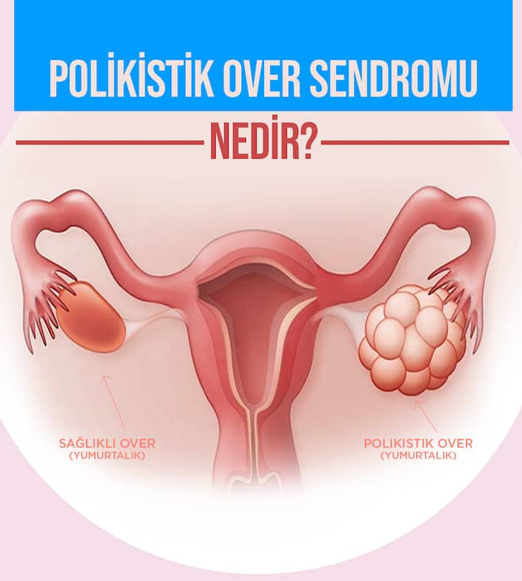
What Is Polycystic Ovary Syndrome (PCOS)?
Polycystic Ovary Syndrome (PCOS) is a common hormonal condition in women of reproductive age that can affect the menstrual cycle, ovulation, and metabolic health. The diagnosis and treatment process is planned according to each individual's needs.
Read More
What Causes Menstrual Irregularities?
Changes in the menstrual cycle may be associated with hormonal imbalances, stress, weight changes, medications, or other health conditions. If menstrual irregularities recur or persist, it is important to have the underlying cause evaluated.
Read More
Why Is a Preconception Medical Check-Up Important?
A preconception evaluation helps assess your overall health, manage existing medical conditions, and support a healthier start to pregnancy.
Read More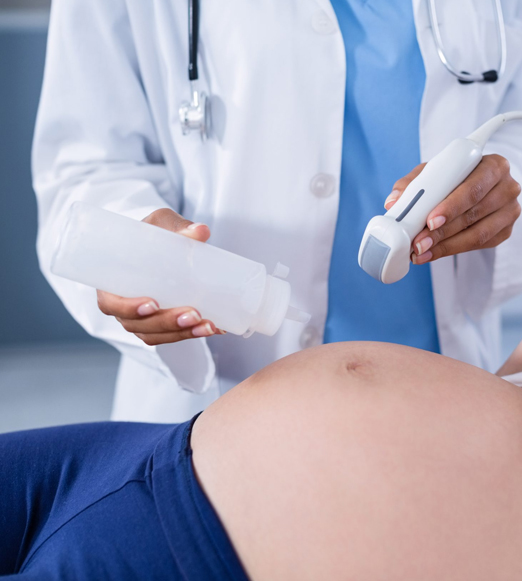
What Check-Ups Are Performed During Pregnancy Follow-Up?
Regular check-ups throughout pregnancy help closely monitor your health and your baby's development. The scope and frequency of these check-ups are determined according to the course of the pregnancy and your individual needs.
Read More
What Is HPV? What You Need to Know About HPV
HPV is a common group of viruses that can affect both women and men. Certain types of HPV can cause cellular changes in the cervix. Regular screening can help detect these changes at an early stage.
Read More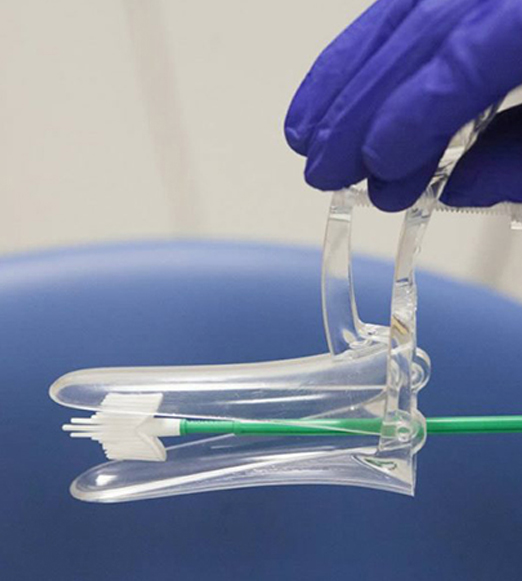
What Is a Pap Smear Test and Why Is It Performed?
A Pap smear is an important screening method that helps detect cellular changes in the cervix. Regular screening plays an important role in maintaining cervical health and evaluating potential problems at an early stage.
Read More
What Are the Symptoms of Menopause?
Menopause is a natural stage of life when the menstrual cycle permanently ends. During this period, symptoms such as hot flashes, night sweats, sleep disturbances, and mood changes may occur.
Read More
When Should Vaginal Discharge Be Considered a Concern?
Vaginal discharge is often a natural occurrence. However, if there are noticeable changes in its color, odor, or amount, or if it is accompanied by symptoms such as itching, burning, or pain, medical evaluation may be necessary.
Read More
What Causes Painful Periods?
Painful periods, medically known as dysmenorrhea, are a common concern. Severe, worsening, or daily-life-limiting menstrual pain may be associated with underlying gynecological conditions such as endometriosis.
Read More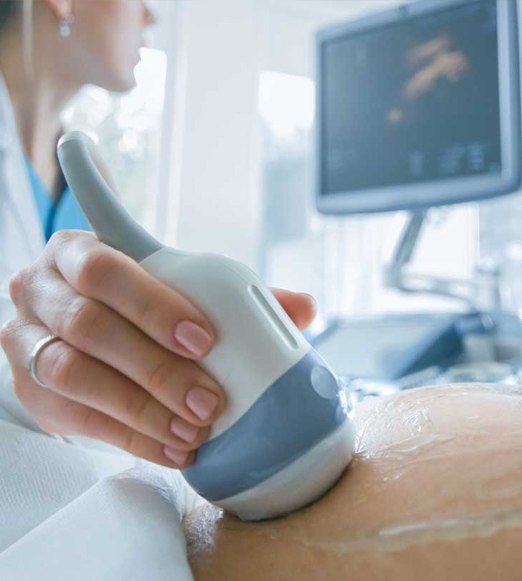
Why Is a Preconception Medical Check-Up Important?
For women planning a pregnancy, a preconception medical check-up is important for assessing the expectant mother's health and preparing for a healthy pregnancy.
Read More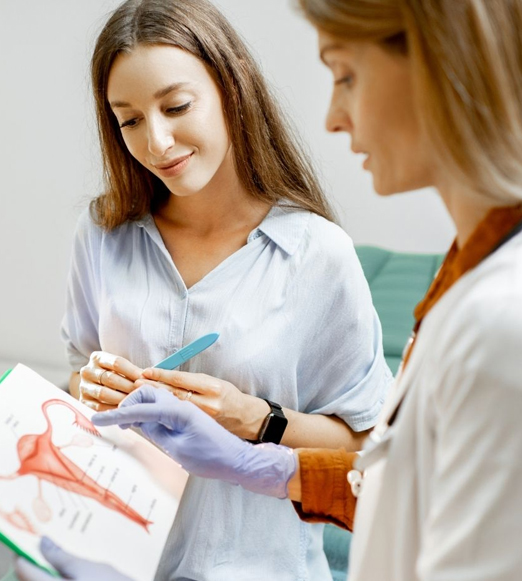
Why Are Regular Check-Ups Important for Women's Health?
Regular health check-ups can help identify potential health concerns at different stages of life and allow appropriate treatment to be planned in a timely manner when necessary.
Read More
What Should You Pay Attention to During Menopause?
During menopause, bone and cardiovascular health, as well as metabolic health and gynecological care, should be evaluated regularly. Symptoms and treatment options should be addressed according to your individual needs.
Read More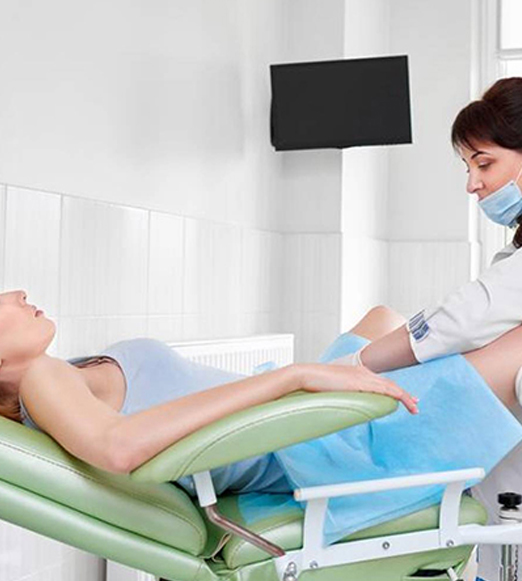
What Is the Difference Between an HPV Test and a Pap Smear Test?
The HPV test and Pap smear are two different screening methods used to assess cervical health. The HPV test helps detect the presence of the virus, while the Pap smear helps identify cellular changes in the cervix.
Read More
What Is Genital Aesthetics?
Genital aesthetics refers to procedures that address personal concerns or expectations regarding the appearance or function of the external genital area. Before any procedure, your individual needs, expectations, and medical suitability should be carefully evaluated.
Read More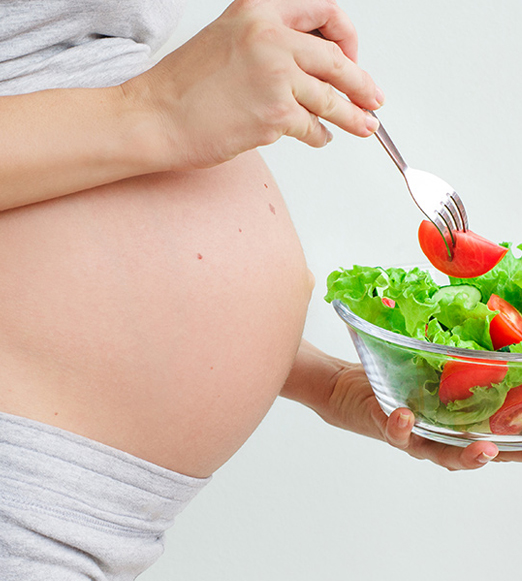
How Should You Eat During Pregnancy?
A balanced, varied, and adequate diet during pregnancy supports the health of the expectant mother and the baby's development. A nutrition plan should be tailored to your health status and individual needs with guidance from a doctor or dietitian.
Read More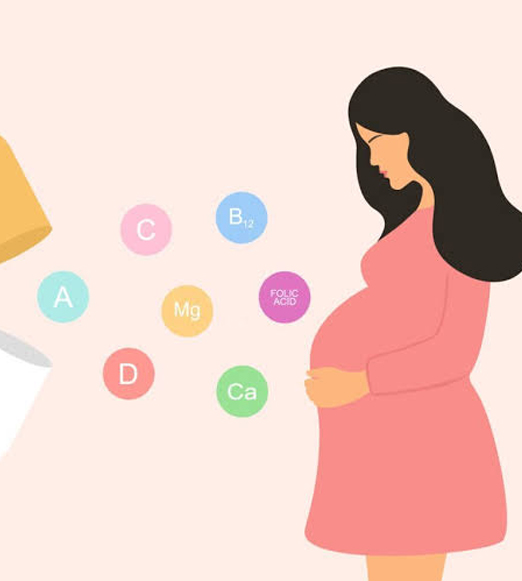
Which Vitamins and Minerals Are Important During Pregnancy?
Adequate intake of folic acid, iron, vitamin D, and other essential nutrients is important during pregnancy. Supplements should be taken under medical guidance, based on your blood test results and individual nutritional needs.
Read More
What Are the Signs of Labor?
Signs that labor may be approaching can include regular and increasingly frequent contractions, rupture of the membranes (water breaking), and the loss of the mucus plug. If you experience any of these signs, it is important to contact your healthcare team.
Read More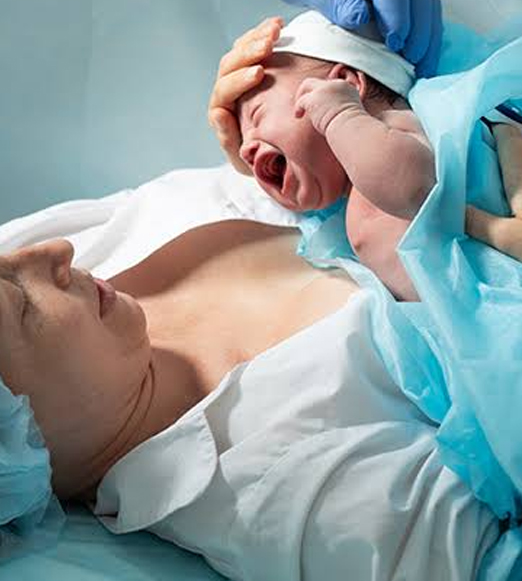
What You Need to Know About Cesarean Delivery
Cesarean delivery is a surgical method of childbirth performed in certain medical circumstances to protect the health of the mother or baby. The decision to perform a cesarean section is made by the doctor after carefully evaluating the health of both the mother and baby.
Read More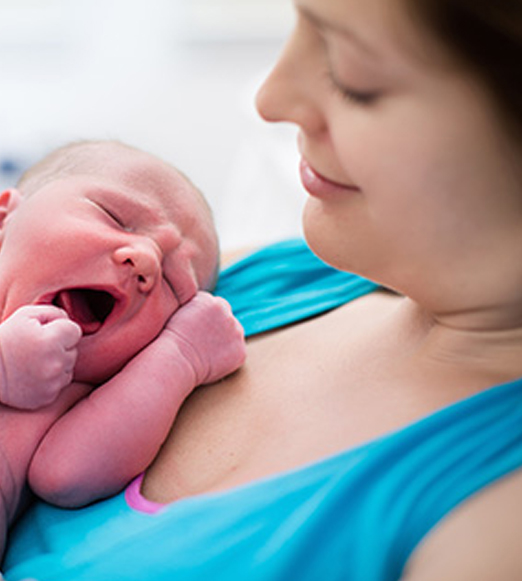
What Should You Pay Attention to During the Postpartum Period?
The postpartum period is an important time when the mother recovers physically and emotionally after childbirth. Keeping up with medical check-ups, getting adequate rest, and seeking support when needed can help you navigate this period in a healthier way.
Read More
What Is Postpartum Depression?
Postpartum depression is a mental health condition that can develop after childbirth and may require professional support. If you experience persistent low mood, intense anxiety, loss of interest, or difficulty caring for your baby, it is important to seek help from a healthcare professional.
Read More
What Is Endometriosis?
Endometriosis is a chronic gynecological condition in which tissue similar to the lining of the uterus is found outside the uterus. It can cause pain, menstrual irregularities, and fertility problems in some individuals.
Read More
What Are Uterine Fibroids? What Are Their Symptoms?
Uterine fibroids are benign growths that develop from the muscular tissue of the uterus. They may cause symptoms such as heavy or prolonged menstrual bleeding, pelvic pain, a feeling of pressure in the abdomen, and frequent urination.
Read More
What You Need to Know About Ovarian Cysts
Ovarian cysts are common growths that often resolve on their own. The type and size of the cyst, as well as whether follow-up is required, are determined through ultrasound evaluation and a medical examination.
Read More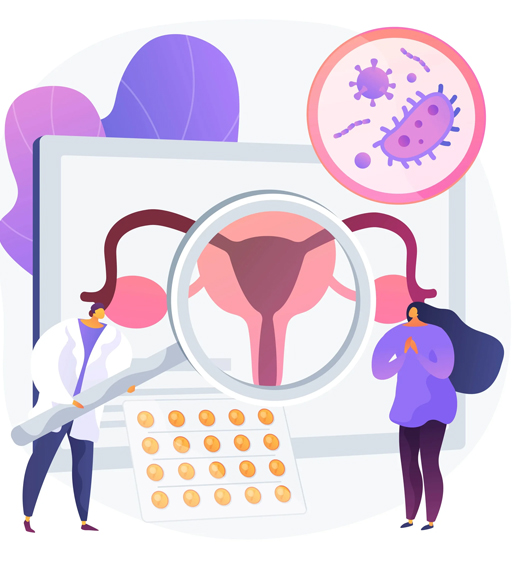
What Are the Symptoms of Vaginal Infections?
Symptoms of vaginal infections may include itching, burning, unpleasant or unusual-smelling discharge, changes in discharge color, and pain or discomfort during urination. Medical evaluation may be necessary for an accurate diagnosis and appropriate treatment.
Read More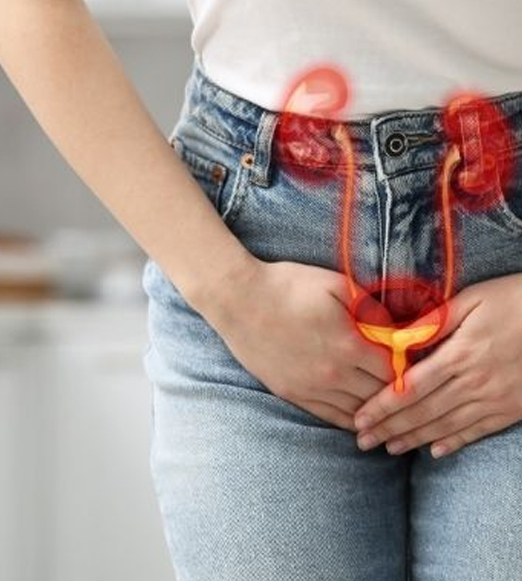
What Causes Urinary Incontinence?
Urinary incontinence may be associated with pregnancy, childbirth, aging, weakened pelvic floor muscles, or certain health conditions. Treatment options are determined based on the underlying cause of the symptoms and your overall health.
Read More
What Are the Benefits of Pelvic Floor Exercises?
Pelvic floor exercises can help strengthen the pelvic muscles and may reduce certain urinary incontinence symptoms. It is important to perform these exercises using the correct technique and on a regular basis.
Read More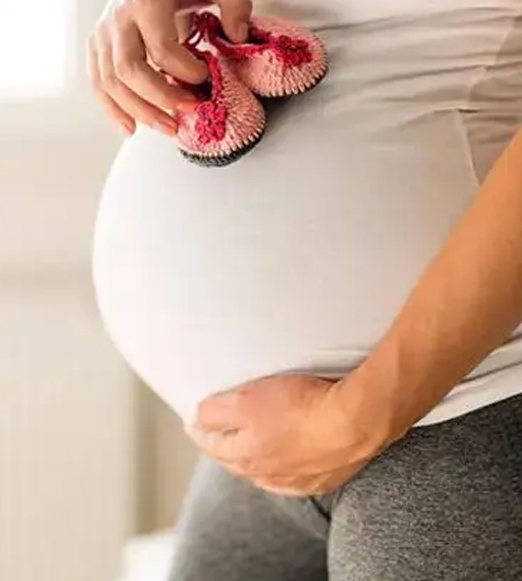
Fertility Age and the Chances of Pregnancy
Fertility can change with age in women. If you are planning a pregnancy, it may be helpful to discuss your overall health, existing medical conditions, and any fertility-related concerns with your doctor.
Read More
What Are the Causes of Infertility?
There are many possible causes of difficulty conceiving, which may be related to either the female or male partner. Evaluating both partners together is important for reaching an accurate diagnosis and developing an appropriate treatment plan.
Read More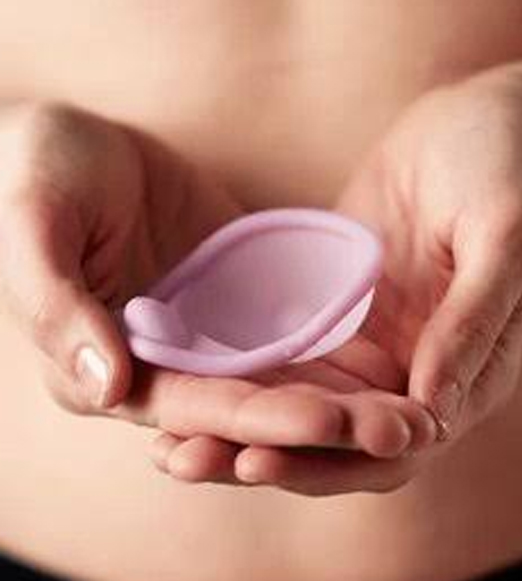
What Are the Different Methods of Birth Control?
Birth control methods should be evaluated based on effectiveness, ease of use, health status, potential side effects, and personal preferences. Consulting your doctor is the best approach to determine the method that is most suitable for you.
Read More
What Is Emergency Contraception?
Emergency contraception includes methods used to reduce the risk of pregnancy after unprotected sexual intercourse or contraceptive failure. A healthcare professional should be consulted as soon as possible to determine the most appropriate method and ensure it is used at the right time.
Read More
Sexual Health and Safe Sex
Sexual health encompasses various aspects, including pregnancy prevention, protection against sexually transmitted infections, regular health check-ups, and open communication between partners. Accessing accurate information and seeking professional support when needed are important for maintaining a safe and healthy sex life.
Read More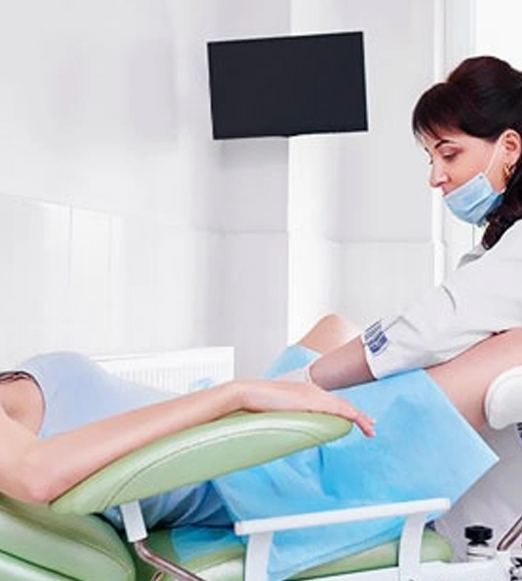
How Should You Prepare for a Gynecological Examination?
Before a gynecological examination, it may be helpful to note down any questions you have and inform your doctor about the medications you are currently taking. To feel more comfortable, do not hesitate to openly express your questions and concerns during the examination.
Read More