






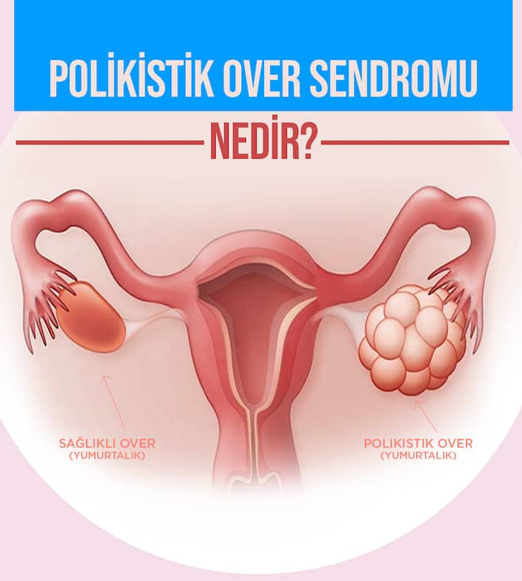

What Is Polycystic Ovary Syndrome (PCOS)?
Polycystic Ovary Syndrome (PCOS) is a common condition that can occur in women of reproductive age and may involve both hormonal and metabolic features. Since it can present differently from one woman to another, evaluation should be personalized. Symptoms associated with PCOS may include menstrual irregularities, ovulation problems, oily skin and acne, increased hair growth, and weight changes in some women. However, not all of these symptoms need to be present in the same individual. Some women may experience only irregular periods or ovulation-related problems. When diagnosing PCOS, the patient's symptoms, menstrual cycle pattern, medical history, and clinical evaluation are considered together. When necessary, hormone tests and ultrasonography may also be used. An ultrasound finding alone is not sufficient to diagnose PCOS. PCOS may affect pregnancy planning in some women, mainly because of irregular ovulation. However, with appropriate evaluation and follow-up, women planning a pregnancy can receive support tailored to their individual needs. Polycystic Ovary Syndrome may require long-term monitoring. The treatment and follow-up approach is determined according to the patient's age, symptoms, pregnancy plans, and overall health. Women experiencing menstrual irregularities, excessive hair growth, or similar symptoms are encouraged to consult an obstetrics and gynecology specialist for an appropriate evaluation.